A Seasonal Tree-Care Checklist for Abilene Property Owners
A recurring checklist helps Abilene property owners catch hazards before they become emergencies. Get practical Abilene guidance, safety steps, and service questions answered.
Read moreA recurring checklist helps Abilene property owners catch hazards before they become emergencies. Get practical Abilene guidance, safety steps, and service questions answered.
Read moreClearance pruning keeps branches from rubbing roofs, blocking driveways, damaging fences, or reducing visibility. Get practical Abilene guidance, safety steps, and service questions answered.
Read moreTree-removal pricing depends on size, condition, location, access, equipment, nearby targets, and debris handling. Get practical Abilene guidance, safety steps, and service questions answered.
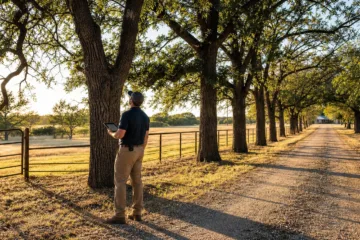
Read morePotosi tree care should balance shade and natural character with access, structure clearance, and storm readiness. On larger properties, a tree inventory and priority map help focus resources on homes, drives, fences, parking, and frequently used outdoor areas.
Hawley tree maintenance works best when high-use areas are prioritized and rural access is planned. Identify dead or broken limbs, low branches along drives, storm exposure, stumps, and utility conflicts, then match each issue to a specific service.
Clyde property owners should plan tree work around the tree’s condition, nearby targets, access, and long-term site use. Selective trimming, emergency response, removal, stump grinding, hedge maintenance, and planting solve different problems and should be scoped separately.
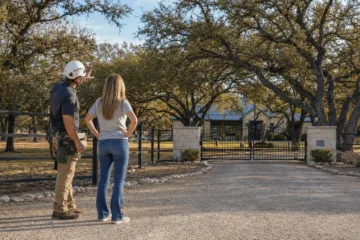
Tye property owners can make tree service more efficient by documenting the objective, access width, nearby structures, utilities, gates, animals, and debris preferences before the estimate. The right service may be trimming, removal, stump grinding, hedge work, or planting—not a one-size-fits-all cut.
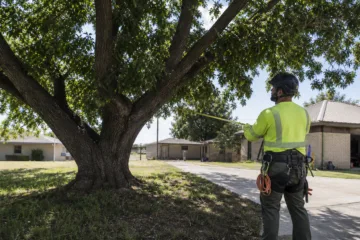
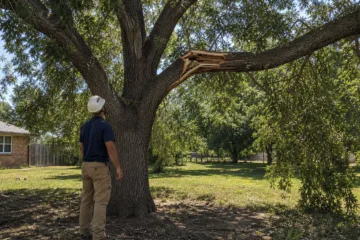
One broken limb does not automatically mean the whole tree must be removed. The decision depends on the failed union, remaining crown, trunk and root condition, decay, target exposure, and whether a stable structure can remain after correct pruning.
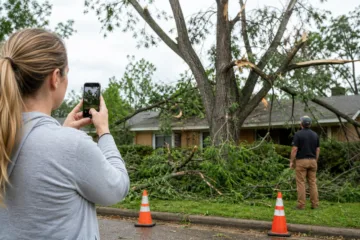
Document storm damage only from a safe location. Wide photos, close views taken without entering the drop zone, dates, weather notes, affected structures, and professional estimates create a clearer record. Contact the insurer for policy-specific instructions; tree-care contractors do not decide coverage.
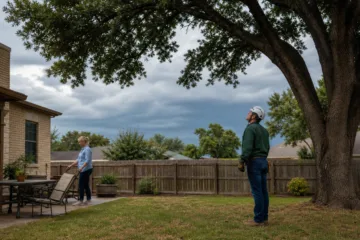
Pre-storm preparation should happen before a warning is issued: inspect from the ground, remove documented dead or broken limbs, maintain practical clearance, secure loose yard items, and know whom to call. Last-minute cutting in wind or rain creates more risk than it solves.
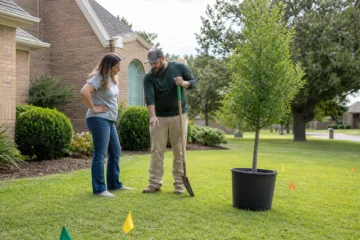
Tree placement near foundations and utilities should be based on mature size and verified utility locations. In Abilene, leave enough rootable soil and canopy clearance to avoid repeated pruning, blocked access, and conflicts with pavement or service lines.
The best small-yard tree is one whose mature canopy, roots, and maintenance needs fit the site. Abilene homeowners should measure usable soil space and clearance from roofs, fences, sidewalks, and utilities before choosing by appearance.
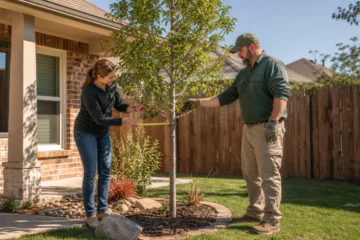
A drought-tolerant tree still needs the right site and establishment watering. For Abilene landscapes, selection should match mature size, soil drainage, available root space, utility clearance, and desired shade rather than relying on a species label alone.