Quick answer: Construction can damage roots through cutting, compaction, grade changes, trunk impacts, and altered drainage.
What this means for Abilene properties
Tree Protection After Construction Abilene means evaluating the tree, its condition, the surrounding property, and the consequence of failure before choosing a service. Abilene conditions can include intense heat, drought stress, wind exposure, compacted soil, and trees growing near roofs, fences, driveways, sidewalks, or utility lines.
Key points
- Protect the root zone from traffic and material storage, and avoid changing grade around the trunk without a plan.
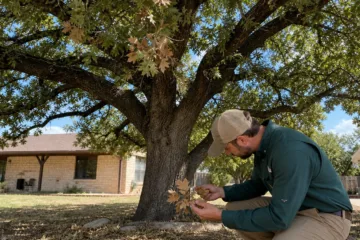
- Inspect for exposed roots, buried trunks, compacted soil, standing water, and canopy decline after work is complete.
- Safety, access, utilities, irrigation, nearby structures, and debris handling should be included in the work scope.
- Professional recommendations should explain whether pruning, removal, stabilization, monitoring, or another option fits the site.
How to evaluate the situation
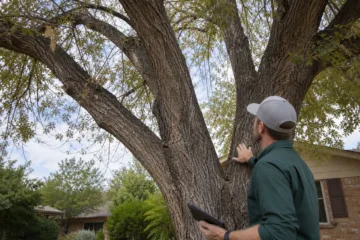
- Inspect from a safe distance. Look for deadwood, cracks, weak unions, lean, root movement, clearance problems, or signs of stress without entering an unsafe work zone.
- Identify targets and constraints. Note buildings, vehicles, fences, sidewalks, driveways, irrigation, lighting, overhead lines, access gates, and areas that must be protected.
- Choose the least-risk effective solution. Targeted pruning may address a specific defect; removal may be appropriate when risk cannot be reasonably managed.
- Confirm the written scope. Ask what work method, cleanup, hauling, stump treatment, access assumptions, and follow-up steps are included.
Local safety guidance
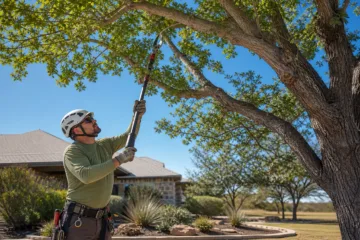
Do not climb, use a chainsaw near a structure, or work near power lines without the required qualifications and equipment. Keep people and vehicles away from hanging limbs, split trunks, unstable trees, and active work areas. If a utility line is involved, contact the utility provider and keep clear.
Frequently asked questions
Can a damaged tree recover after construction?
Construction can damage roots through cutting, compaction, grade changes, trunk impacts, and altered drainage. The correct recommendation depends on the tree, site conditions, access, and the potential target if the tree or limb fails.
How can I prepare for a tree service visit in Abilene?
Provide the property location, safe-distance photos, the trees or shrubs involved, access limitations, nearby structures, and any known utility or irrigation concerns. Keep the work area clear when the appointment is scheduled.
What should a written tree-service estimate include?
A useful estimate identifies the work area, service method, access assumptions, debris handling, cleanup, stump options, property protections, and any conditions that could change the scope.
When should I request professional help?
Request an assessment when a tree has major defects, storm damage, difficult access, utility-line proximity, large limbs over targets, root instability, or a condition you cannot evaluate safely from the ground.
Related Abilene tree-care guides
- Tree Root Damage and Sidewalk Problems in Abilene
- Tree Planting Tips for Abilene Homes and Businesses
Request an Abilene tree-service assessment
For tree trimming, removal, stump grinding, shrub care, planting, or storm cleanup in Abilene, request a tree-service quote or call 325-480-8891. You can also review the full tree-services page.